
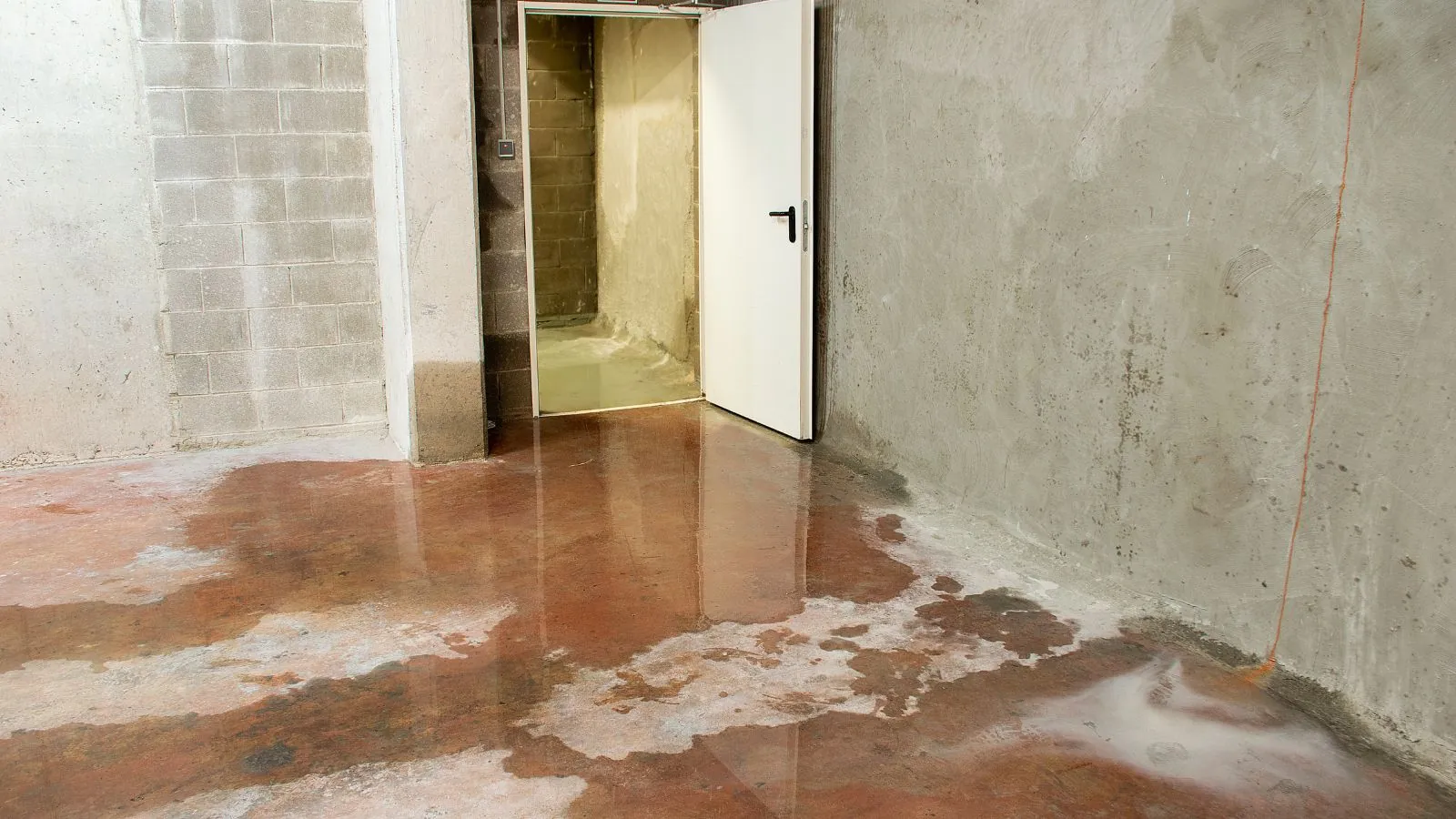
When a wet basement is an emergency
A wet basement is an emergency because water below grade settles into concrete, carpet, drywall and stored belongings, and a finished basement holds a lot of material. In Round Lake, IL the dispatch line is answered 24/7, and callers describe water from rain, a sump pump that stopped, a window well or a plumbing failure.
Do not go down if the water is near the electrical panel, outlets or a furnace. If the main panel is in the basement and the floor is wet, call the utility. Turn off the source if it is plumbing, and move what you can from the top of the stairs.
Finding the source
The source tells the crew what the water is. Water from a plumbing line is usually clean, groundwater through the floor or walls is Category 2, and anything that came through a floor drain from the sewer is Category 3. Each requires a different approach to carpet, drywall and disinfection.
A sump pump that stopped is one of the most common reasons for a wet basement during heavy rain. If the water came through a drain, read the sewage page. For rain through the foundation, the flood page covers the water category.
| Source | Water category | What changes |
|---|---|---|
| Broken supply line or water heater | Category 1 | Extract, dry, many materials stay |
| Groundwater through walls or floor | Category 2 | Porous materials removed |
| Failed sump pump after rain | Category 2 | Extract, check for contamination |
| Sewer or floor drain backup | Category 3 | Protective gear, disinfect |
Call and say how deep the water is and where it is coming from.
Cleanup, drying and finished basements
After extraction, the crew removes wet carpet, pad and drywall as needed, cleans the slab and walls and dries the space with air movers and dehumidifiers. Cold basements often dry slowly, so desiccant dehumidifiers may be used.
Finished basements carry more at stake. Drywall, insulation, trim and flooring all need a decision. The structural drying page explains how readings decide when the space is dry. Ask the Village of Round Lake Building Department whether rebuild work needs a permit.
What changes the cost of basement cleanup
The scope and price are explained before work starts.
Seepage and flood damage are commonly excluded from standard homeowners policies, according to the Illinois Department of Insurance, and sewer or drain backup is typically an optional add-on. Ask your insurer which applies to you.
Stored belongings and what to do with them
Basements hold the things families do not want to lose: photo boxes, holiday decorations, tools and files. Lift them in groups, starting with the items closest to the water. Cardboard that has soaked through is usually discarded, while plastic bins, metal tools and glass can often be cleaned and dried.
Photograph the contents before you throw anything away, and keep possible total losses until the adjuster has looked, according to Illinois Department of Insurance claim guidance. Paper and photographs can sometimes be saved if they are frozen or dried early, and the flooring pages explain how wood and carpet are judged.
After the water: drainage and the sump pit
Drying a basement without fixing how the water got in is a short-term answer. Walk the outside of the house and check that downspouts discharge well away from the foundation and that the soil slopes away from the walls. Look at window wells for debris, and test the sump pump by pouring water into the pit until the float lifts.
A battery backup for the pump keeps it running if power fails during a storm, which is when pumps work hardest. A drainage contractor or plumber handles those repairs, and the restoration scope covers what the water already touched.
Serving Round Lake and nearby
The same line covers Ingleside, Fox Lake, Antioch, Island Lake and Spring Grove. For more on a nearby area see Spring Grove.
Basement water questions
Do you handle basement water damage emergencies at night or on weekends in Round Lake?
Yes. Basements flood during storms and at night, and the line is answered 24/7.
Why did my sump pump fail?
Power loss, a stuck float or too much inflow are common reasons. A plumber or drainage contractor can check it.
Can finished basement drywall be saved?
Sometimes, if the water was clean and short-lived. Readings decide.
Is basement flooding covered?
Flood and seepage are often excluded. Ask your insurer.
The line is answered around the clock. Describe what happened and what you can see.