
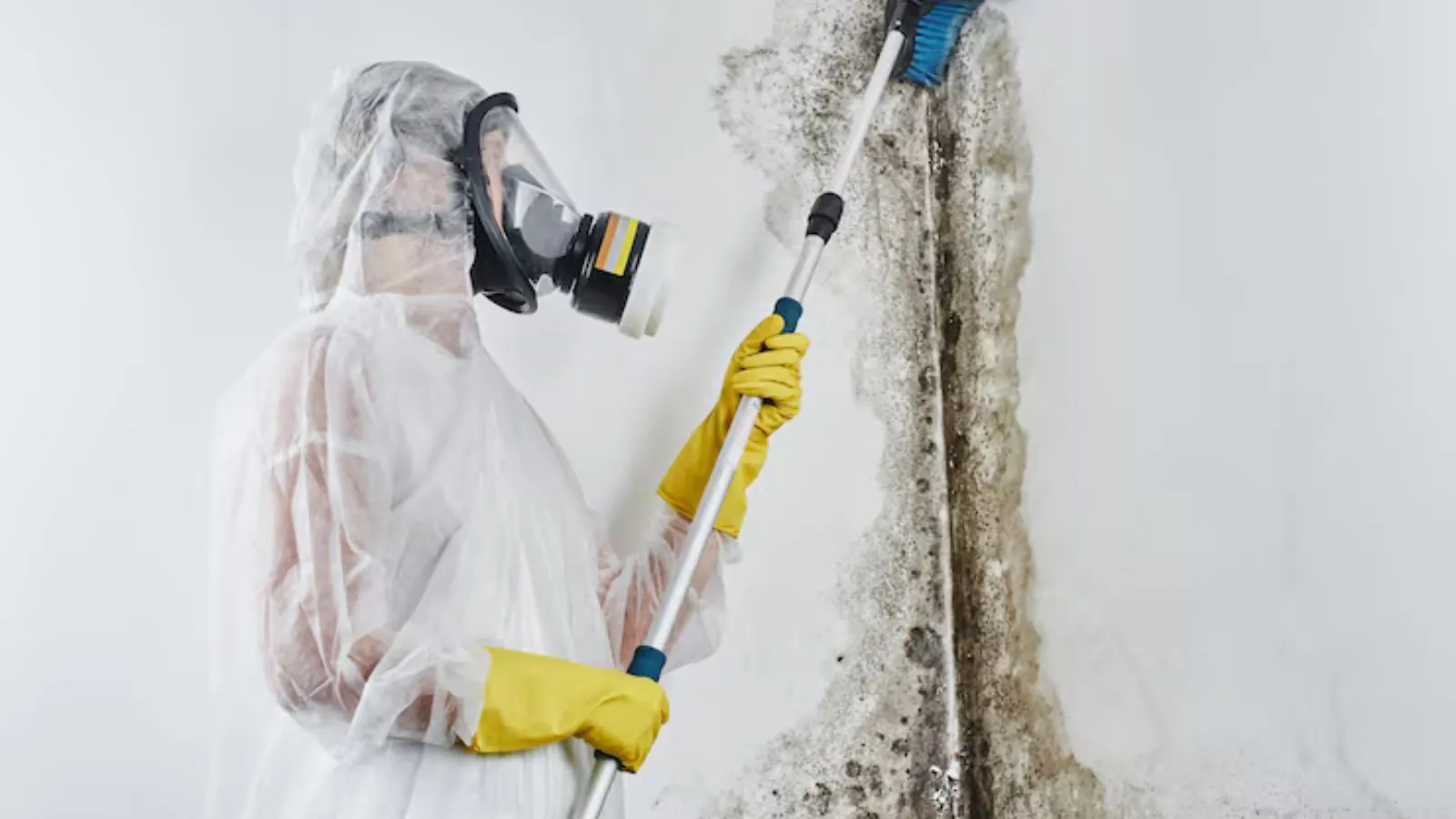
Mold and moisture go together
Mold is a fungus that grows on organic materials when they stay wet. The EPA's guidance on mold after water damage says growth can begin within one to two days on wet materials, which is why drying quickly is the best prevention. In Round Lake, IL mold usually shows up after a leak, a flood or a humid basement that was never dried properly.
Common places are the back of drywall, the underside of carpet and pad, the bottom of cabinets, attic insulation and basement walls. A musty smell with no visible growth often means the growth is behind a surface. A moisture reading finds the wet area, and that decides whether the work is cleaning, drying or removal.
Fix the water first
Remediation that ignores the water source fails. If a pipe leaks, a roof drips or a basement takes in groundwater, mold returns after cleaning. The first step is to find and stop the source, then dry the structure to the standard in ANSI/IICRC S520, the published guideline for mold remediation.
That is why a mold job often begins with structural drying or a plumbing repair. For mold in a basement, the basement page explains the water side.
How a remediation is organized
The steps follow the published S520 guideline. Scope and price are explained before work starts.
- AssessmentA visual inspection and moisture readings find affected areas and the source.
- ContainmentPlastic barriers and negative air limit spread to clean areas.
- RemovalPorous materials with growth, such as drywall and insulation, are removed and bagged.
- CleaningHard surfaces and framing are cleaned with HEPA vacuums and damp wiping.
- Drying and verificationThe area is dried and checked before it is closed up.
| Situation | What it usually involves | Who handles it |
|---|---|---|
| Small spot on a hard surface | Cleaning and fixing the moisture source | Often the homeowner, with care |
| Growth on drywall or insulation | Removal, containment, drying | Remediation crew |
| Musty smell, no visible growth | Moisture assessment, possible testing | Assessor, then crew if needed |
| Growth after a flood or sewage | Removal of affected materials first | Restoration crew |
Call and describe where it is and what got wet. The dispatcher explains how an assessment works.
What Illinois requires
According to the Illinois Department of Public Health, the Mold Remediation Registration Act (410 ILCS 105) requires mold remediators to register with the department, while professionals who only assess are exempt. Rules under the act set requirements that change over time, so check the IDPH site for the current text.
Ask any contractor how they meet the state requirement, and ask for the scope in writing. Ask the Village of Round Lake Building Department whether the repair after removal needs a permit.
What changes the cost of mold remediation
The scope and price are explained before work starts.
Insurance coverage for mold often depends on whether the water source was a covered event. Ask your insurer, and photograph the growth before it is touched.
Containment and air handling
Containment keeps spores from moving while materials are disturbed. Crews seal the work area with plastic sheeting, create a small negative pressure with an air machine that exhausts through a HEPA filter and tape off vents. Workers wear respirators and protective suits and enter through a controlled doorway.
The size of the setup depends on the size and location of the growth. A small area on a bathroom wall needs far less than a basement with growth on framing. The published S520 guideline describes conditions, and the scope you receive should say what containment is planned.
Verification and what to ask afterward
After removal and cleaning, the area is dried and checked. A visual inspection, moisture readings and sometimes air or surface sampling by an independent assessor confirm that the work is complete. An assessor who is separate from the remediator avoids a conflict of interest.
Ask for the scope, the containment plan and the verification method before work starts, and keep the final records. If you sell the home later, those records matter, as the drying records do.
What to do before a professional looks at mold
These steps are general safety practice and apply before anyone arrives.
- Do not disturb visible growth, because brushing or sweeping can spread spores.
- Turn off fans that blow across the area and close the door to that room.
- Fix the water source first, since growth returns where moisture stays.
- Wear a well-fitted respirator and gloves if you must enter, and keep children and pets out.
- Photograph the area and note when you first saw it.
Serving Round Lake and nearby
The same line covers Ingleside, Fox Lake, Antioch, Island Lake and Spring Grove. Lake-adjacent homes in Fox Lake and Antioch often deal with damp lower levels, so tell the dispatcher where the growth is.
Mold remediation questions
Do I need testing before remediation?
Not always. Visible growth and a moisture source often tell the story. An assessor can advise whether sampling adds anything.
Can bleach remove mold?
Bleach does not fix the moisture source and does not penetrate porous materials. Removal of affected material is the usual approach.
Does Illinois license mold remediators?
The state requires remediators to register with IDPH under the Mold Remediation Registration Act. Check the IDPH site for current details.
How do I prevent mold after water damage?
Dry the structure quickly and confirm it with moisture readings.
The line is answered around the clock. Describe what happened and what you can see.