
Why storm damage is an emergency
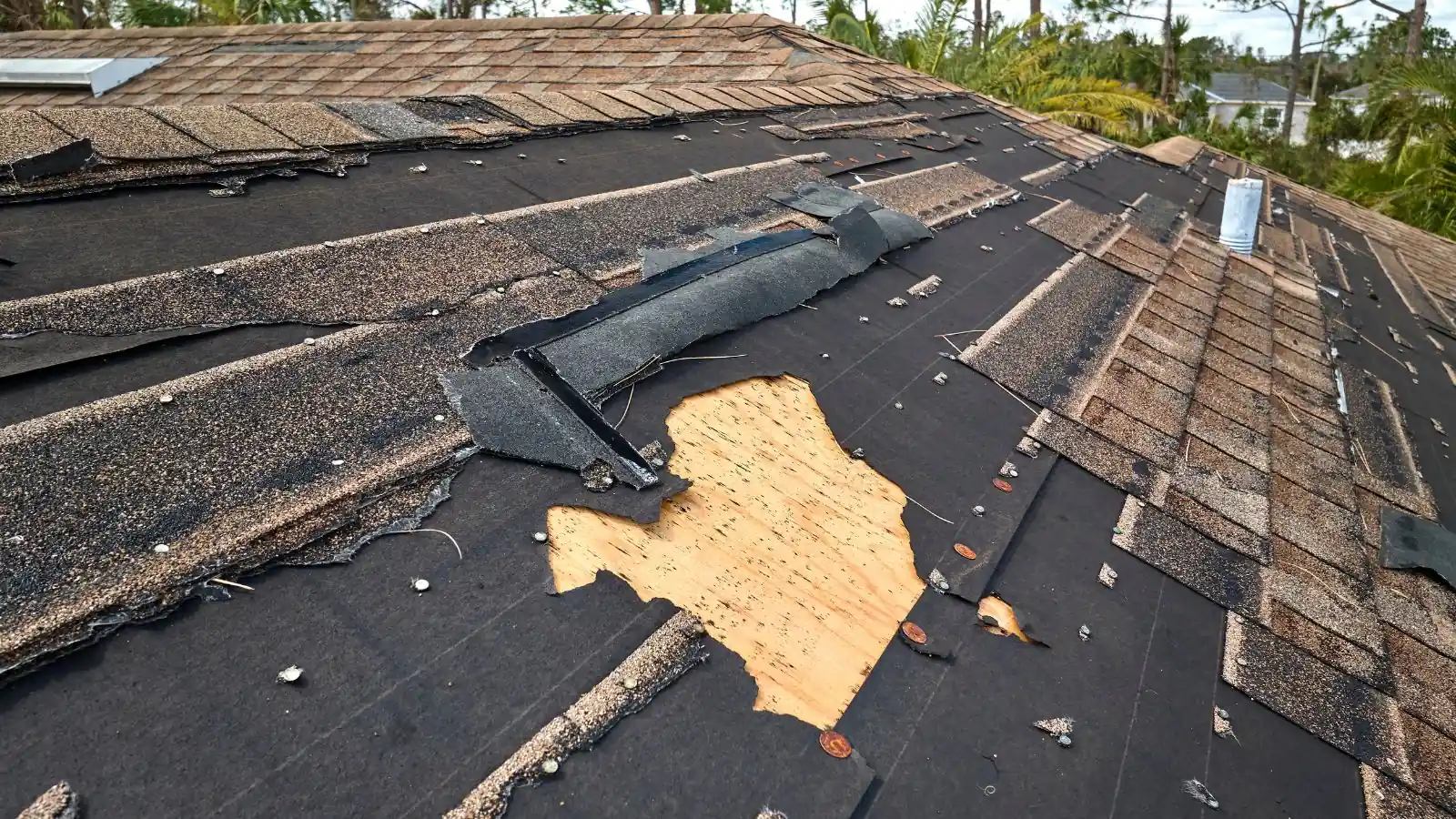
Storm water damage is often several problems at once. Rain gets through a roof, wind pushes it around window frames and the ground sends it through the basement, and in Round Lake, IL one storm can cause all three. The dispatch line is answered 24/7, including during and after severe weather, and the dispatcher can help you decide what to do first.
Stay out of rooms with sagging ceilings and away from standing water near outlets or the panel. If there is a downed line or a gas smell, leave and call 911 or the utility. Cover openings only if it is safe, and photograph everything before moving it.
What Lake County's record shows
The county's own hazard planning describes a July 2017 storm that put several inches of rain on Lake County in two days. Roofs, lower levels and sewer lines were all tested at once, which is the pattern storm calls tend to follow.
Use that as a planning reference, not a prediction. A storm that heavy shows how a roof, a lower level and a sewer line can all be tested at once. Check the county and FEMA maps for your address, and see the flood page and the basement page for the ground-level side.
| Entry point | What it wets | First step |
|---|---|---|
| Roof or flashing | Attic insulation, ceilings | Cover if safe, call a roofer and the crew |
| Windows and doors | Walls, floors, trim | Towels and extraction, document |
| Foundation or window well | Basement walls and floor | Pump, check sump and drains |
| Sewer or floor drain | Lower level, with contamination | Stop using water, call |
Call and list each wet area. The dispatcher will explain what to do while a crew is arranged.
How a storm cleanup is organized
Because a storm can affect many homes at once, the first call is triage. The crew confirms what is wet, what is dangerous and what is urgent. Standing water is removed first, wet insulation and ceilings next, and drying equipment is set across the affected areas.
Roof repair belongs to a roofer, and the restoration crew handles what the water touched. Keep a written scope for each trade so your insurer can see what was done and why.
What changes the cost of storm cleanup
The scope and price are explained before work starts.
Wind and rain damage through a damaged roof is often covered, while flood and surface water usually is not. Check your policy, and ask about any sewer backup endorsement.
Before the next storm
A short checklist can reduce storm damage. Clear gutters and downspouts, confirm the sump pump works and has a backup power source, and check that window wells drain. Look at the roof for loose or missing shingles and at flashing around chimneys and vents, because those are common entry points.
Move valuables off basement floors before a forecast of heavy rain, and know where the main water valve and the electrical panel are. A quick photo inventory of your belongings makes a claim easier if the worst happens.
After the storm: waiting for crews
After a regional storm, many homes need help at once. While you wait, protect what you can. Tarps and plastic can cover roof or window openings if it is safe, wet rugs and furniture can be moved to dry areas and wet drywall should be left for the crew to assess. Keep children and pets away from standing water and downed lines.
Report the loss to your insurer early, and give the dispatcher a clear list of what is wet. A short, accurate description lets crews decide what must happen first.
What the S500 reference says about storm water
Water that has touched the ground, a gutter or a sewer is not clean. The S500 treats flood and surface water as heavily contaminated, which is why storm water that reaches carpet or drywall is handled with protective gear and often removed instead of dried.
The ANSI/IICRC S500 Standard for Professional Water Damage Restoration is a published industry reference. It is cited here for background and is not a credential held by this site.
Serving Round Lake and nearby
The same line covers Ingleside, Fox Lake, Antioch, Island Lake and Spring Grove. For lakefront storm notes see Fox Lake.
Storm water damage questions
Do you handle storm water damage emergencies at night or on weekends in Round Lake?
Yes. The line is answered 24/7, including during storms. Call and list the wet areas.
Who fixes the roof?
A roofer. The restoration crew handles interior water damage.
Is storm damage covered by insurance?
Wind and rain damage is often covered, while flood usually is not. Ask your insurer.
Should I cover the damage myself?
If it is safe. Tarp or plastic can limit further water, and photos should come first.
The line is answered around the clock. Describe what happened and what you can see.