
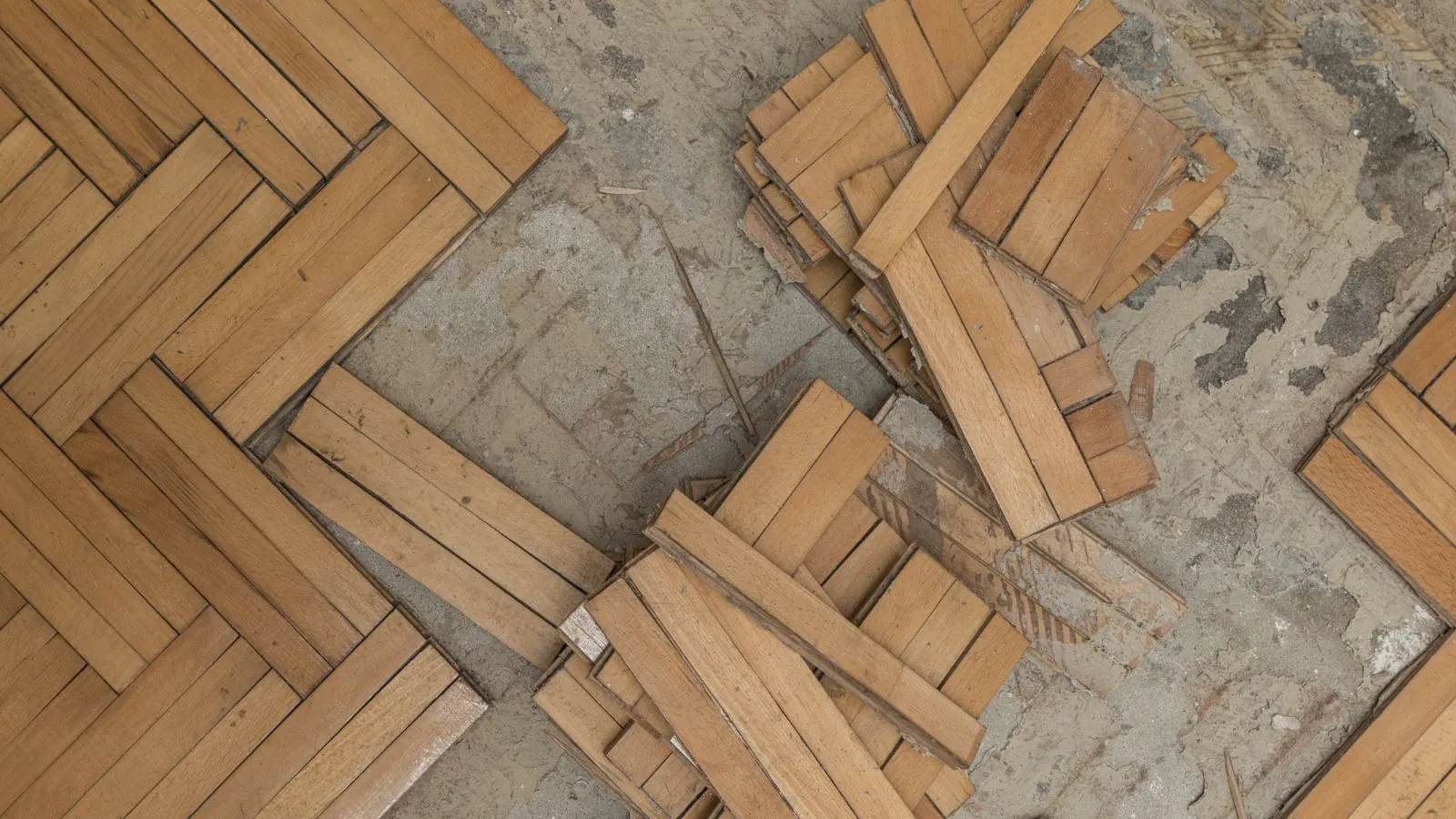
What water does to hardwood
Hardwood absorbs water and expands. In Round Lake, IL a floor that was wet from a leak, a storm or a flood can cup, with edges rising higher than the center, or crown and buckle as the boards lift from the subfloor. Dark stains and a gray tint usually mean water has been in the wood for a while.
Remove standing water, lift rugs and furniture, and run a fan only if the room is dry of standing water. Do not use heat to speed drying, because fast drying can crack the boards.
Can it be saved
Many floors can, if the water is clean and the drying starts early. The crew checks moisture in the boards and the subfloor, and may use specialty drying mats that pull water out through the surface. Cupping can sometimes relax as the wood dries, and a floor that has flattened can be sanded and refinished.
Floors that have buckled, floors over a wet subfloor and floors that sat in dirty water for days are more likely to be replaced. Engineered wood and laminate react differently, because the layers swell at different rates.
| Symptom | What it suggests | Usual path |
|---|---|---|
| Edges cupped | Moisture from below or a spill | Dry, wait, then sand if flat |
| Crowned boards | Over-drying a cupped floor | Allow to settle, then sand |
| Buckling | Heavy saturation | Often partial replacement |
| Dark stains | Long-term moisture | Sanding or replacement |
| Musty odor | Moisture under the boards | Moisture reading, lift boards |
Call and say how long it has been wet. The dispatcher will explain what to do first.
Drying and refinishing
Drying comes first. Refinishing too soon locks moisture in and can lead to cracking or finish failure. The crew confirms the moisture content has returned to a normal level before any sanding or refinishing, and a floor that is not dry may need more days.
If boards must be replaced, matching the species and stain takes a flooring contractor. Ask for the dry-out and the flooring work to be scoped separately.
What changes the cost of hardwood repair
The scope and price are explained before work starts.
Sudden leaks that damage floors are often covered, while gradual leaks often are not. Ask your insurer, and photograph the floor before removal.
Specialty drying and why speed matters
Crews can use drying mats and low-pressure systems that pull water up and out of hardwood through the surface. These systems work best when the floor is still intact, so starting early matters. Waiting several days lets water spread under the boards and raises the chance that they will need to be replaced.
Heat is not the answer. Fast, dry heat can split boards and set a cupped profile that is hard to reverse. A controlled approach that brings moisture down gradually gives the wood the best chance to settle back toward flat.
Choosing between sanding and replacement
Once the floor reads dry, the question is whether the surface is flat enough to sand. A floor that has relaxed to within a small tolerance can usually be sanded and refinished. A floor that stays cupped or has buckled may need boards replaced, and a floor with deep staining may need the stained boards swapped out.
A flooring contractor can match species and width and blend new boards with old. Ask the restoration crew for the final moisture readings before the flooring work is scheduled, and keep them with your records. The carpet page explains the same decision for soft flooring.
Furniture, rugs and the first weeks
Keep rugs and furniture off a floor that is drying. A rug traps moisture against the boards and can leave a stain, and heavy furniture can push cupped boards down unevenly. Use plastic or foil under furniture legs if you must leave pieces in place.
Over the first weeks, watch the boards at the seams. Gaps that open as the wood shrinks back are normal, and cracks or splits are not. Tell the crew and the flooring contractor what you see before anything is sanded.
What the S500 reference says about wood floors
The S500 treats flooring as a porous or semi-porous material with its own drying behavior. Hardwood absorbs slowly and releases slowly, and the reference is the basis for measuring a floor against a dry sample of the same species instead of guessing by feel.
The ANSI/IICRC S500 Standard for Professional Water Damage Restoration is a published industry reference. It is cited here for background and is not a credential held by this site.
Serving Round Lake and nearby
The same line covers Ingleside, Fox Lake, Antioch, Island Lake and Spring Grove. See the carpet page for soft flooring.
Hardwood floor water questions
Can cupped hardwood be saved?
Often, if it was clean water and drying started early. Cupping can ease as the wood dries.
Should I sand right away?
No. Sanding before the wood is dry can cause cracking and finish failure.
Does engineered wood react the same way?
Not exactly. The layers swell differently, so a moisture reading is needed.
Is hardwood water damage covered?
Sudden leaks are often covered. Ask your insurer.
The line is answered around the clock. Describe what happened and what you can see.