
Carpet, pad and subfloor
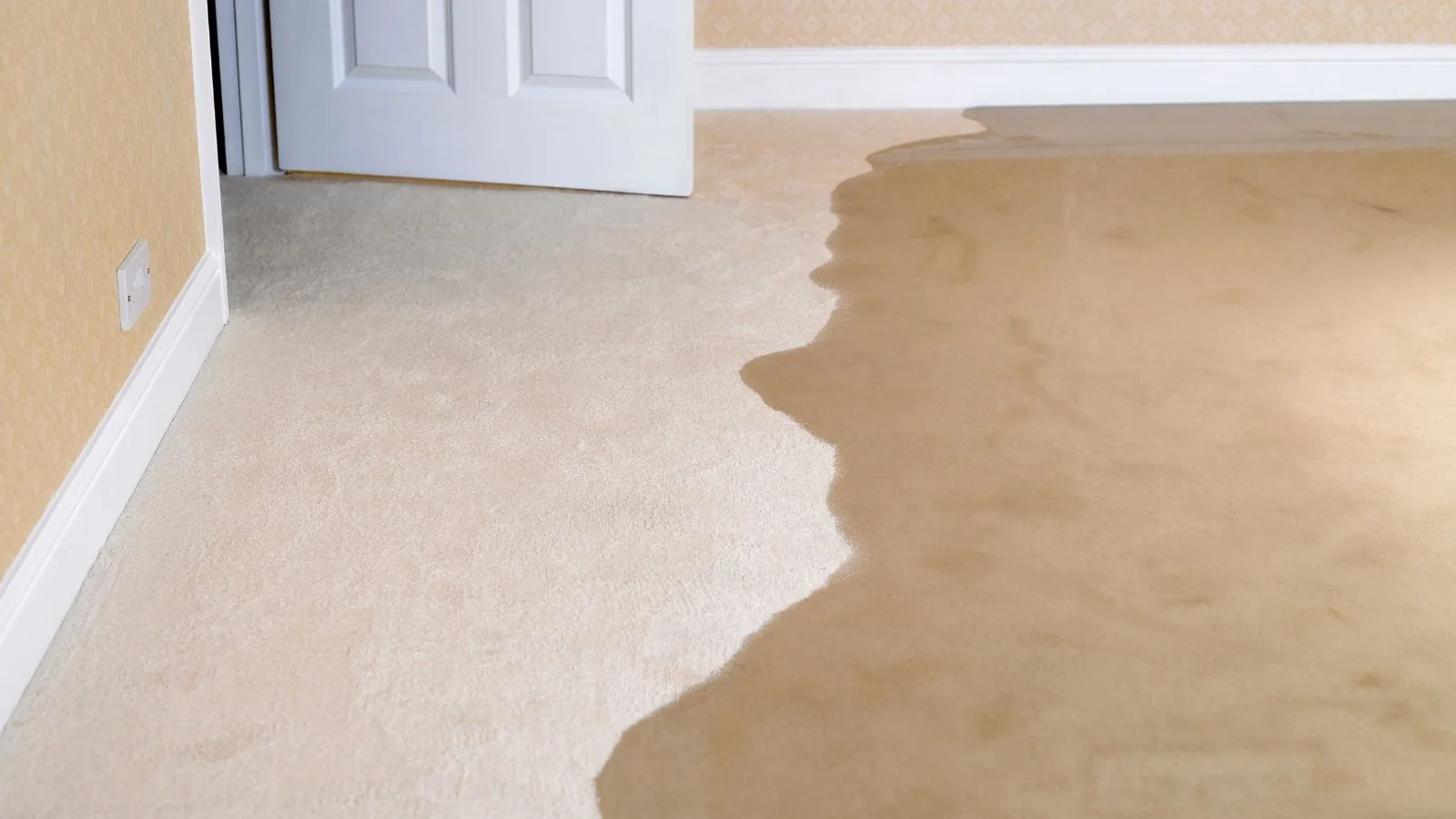
Wet carpet is a layered problem. The surface fibers dry quickly, but the pad underneath holds water like a sponge and the subfloor below it can stay damp for days. In Round Lake, IL a carpet that feels only damp may have a soaked pad and a wet subfloor under it.
Lift furniture, put foil or blocks under legs and remove standing water with a wet vacuum. Do not walk on wet carpet more than necessary, and do not use a household vacuum. Photograph the area before anything is moved.
When carpet can stay and when it goes
The water category decides. With clean water from a supply line, carpet can often be dried in place after the pad is replaced or dried. With Category 2 water such as a washing machine overflow, carpet may be cleaned, while Category 3 water such as sewage or flood water means carpet and pad are removed.
Time also matters. Carpet that has been wet for days is more likely to smell and to have mold on the underside. A moisture meter on the carpet, pad and subfloor gives the crew what it needs for the decision.
| Water type | Carpet | Pad |
|---|---|---|
| Clean supply water, caught quickly | Often dried in place | Often replaced |
| Gray water, such as an overflow | Cleaned or replaced | Replaced |
| Sewage or flood water | Removed | Removed |
| Any water left for days | Likely replaced | Replaced |
Call and describe the source and how long it has been wet. The dispatcher will explain next steps.
Drying and replacement
If carpet stays, the crew lifts it, removes or dries the pad, and uses air movers and dehumidifiers on the underside and subfloor. If it goes, the tack strip and subfloor are cleaned and dried before new pad and carpet are installed.
Ask for the dry-out and replacement to be scoped separately. If mold is visible on the underside, the mold page explains the next step.
What changes the cost of carpet water damage
The scope and price are explained before work starts.
Sudden leaks that wet carpet are often covered. Ask your insurer, and keep samples or photos of the carpet as it was.
How crews check carpet and pad
A crew starts by pressing a moisture meter into the carpet and the pad, then lifts a corner to look at the underside and the tack strip. The underside tells the story, because stains, odor or discoloration there mean water has been present for a while. A thermal camera shows how far the dampness has traveled under furniture and along walls.
If carpet is saved, it is usually lifted and stretched back after the pad is dried or replaced, and the subfloor is dried underneath. That is why a carpet that feels dry on top can still need work. Ask the crew to show you the readings under the pad.
Odor, stains and what comes next
Carpet that stays wet can develop odor within a couple of days, and gray or black water leaves stains that cleaning does not always remove. Professional cleaning after drying can improve a clean-water loss, though it cannot undo contamination from sewage or flood water.
If you smell must after the carpet has dried, tell the crew. It can mean moisture remains in the pad, the tack strip or the slab, and the structural drying page explains how readings confirm it. Replacement carpet should go in only after the floor underneath reads dry.
Carpet types and what they tell you
Different carpets behave differently. Synthetic fibers such as nylon and polyester resist moisture but the backing and pad do not. Wool and natural fibers hold water longer and can stain. Loop and cut-pile styles dry at different rates, and carpet glued directly to a slab dries differently from carpet stretched over pad.
Tell the crew what kind of carpet you have and when it was installed. Older carpet is more likely to be replaced than dried, because the backing and seams may not survive being lifted.
Serving Round Lake and nearby
The same line covers Ingleside, Fox Lake, Antioch, Island Lake and Spring Grove. See the hardwood page for wood flooring.
Carpet water damage questions
Can wet carpet be dried?
Often, if the water was clean and the pad is handled. Contaminated water means removal.
Why is the pad replaced?
Pad holds water and is hard to dry in place, so it is often replaced even when carpet stays.
How soon should wet carpet be dealt with?
As soon as possible. Mold can start on wet materials within one to two days, according to the EPA.
Is carpet damage covered?
Sudden leaks are often covered. Ask your insurer.
The line is answered around the clock. Describe what happened and what you can see.