
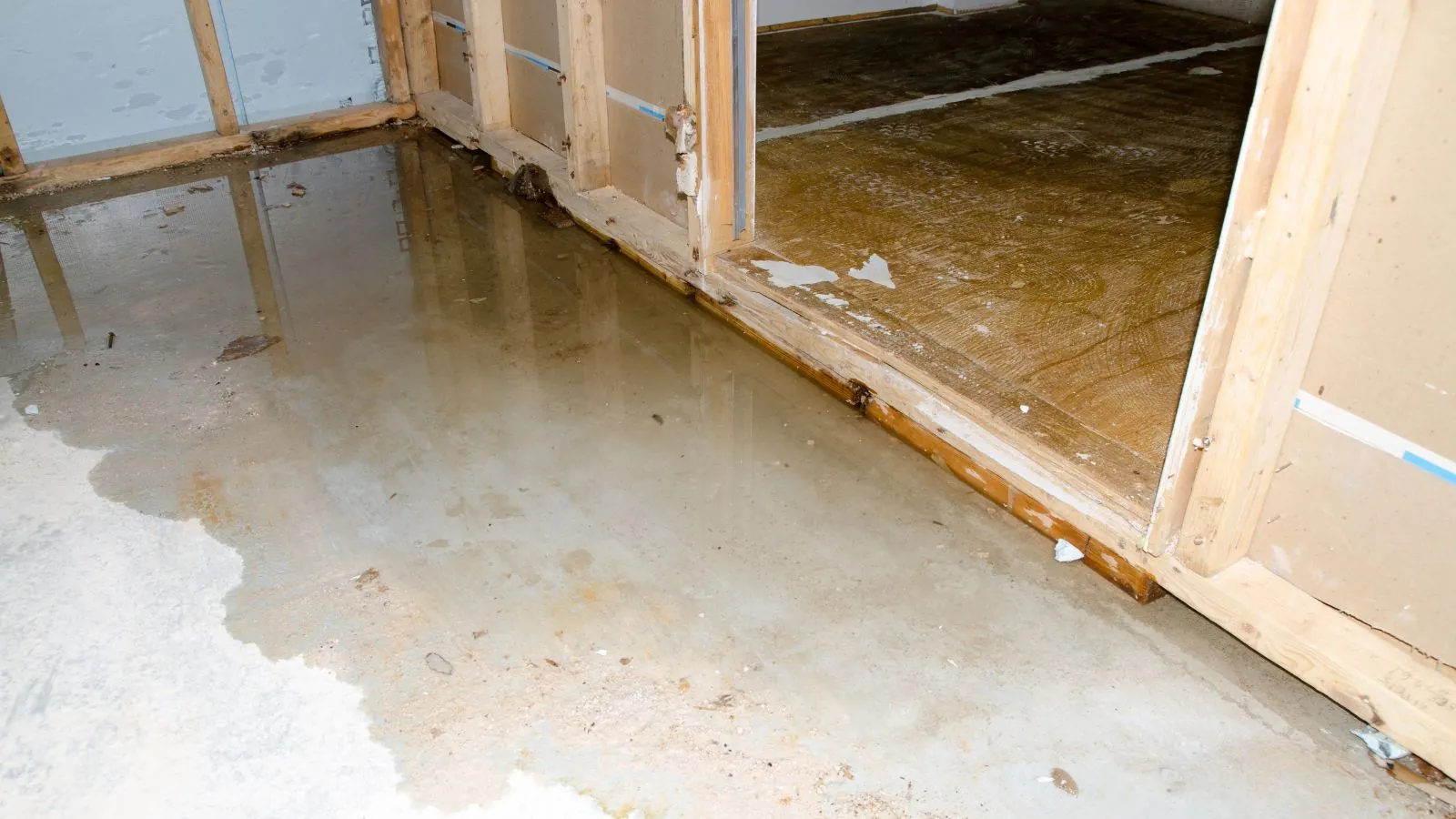
What a slab leak is and how it shows up
A slab leak is a leak in a water or heating line that runs under or through the concrete slab of a home. In Round Lake, IL it can appear as a damp spot on carpet, a warm area of floor, the sound of water running when everything is off or a water bill that rises with no change in use. The symptom is usually the first thing noticed, and the cause is often hidden.
If you see these signs, shut off the main water valve and check whether the meter keeps moving. A meter that moves with everything off is a strong sign of a leak somewhere in the system. A plumber then finds the leak with acoustic or thermal tools, and a restoration crew handles the water damage the leak caused.
Why slab leaks go unnoticed
Concrete hides the problem. Water from a pressurized line can travel through the slab, along the edge or under the flooring, and it often reaches the surface slowly. By the time a floor feels wet, the base of the walls and the subfloor above may have been damp for a long time.
The mechanism matters here more than any local statistic. Pipes in or under a slab are exposed to ground movement, corrosion and abrasion, and when they fail the water does not have a visible path. That is why moisture mapping of the floor and walls is the first step for the damage.
| Symptom | What it can mean | What to do |
|---|---|---|
| Warm spot on the floor | Leaking hot water line | Shut off the heater, call a plumber |
| Sound of running water at night | Pressurized leak somewhere | Check the meter with everything off |
| Rising water bill | Hidden leak or running fixture | Compare readings over an hour |
| Musty smell or damp carpet | Water reaching flooring or wall base | Moisture reading before it spreads |
| Cracks or lifting tile | Moisture under the slab surface | Plumber and moisture assessment |
Shut off the main valve and call. The dispatcher will explain what a moisture assessment covers.
Repair and drying
The plumber finds and repairs the leak, which may involve opening the slab or rerouting the line. The restoration side removes wet flooring, dries the slab surface and the walls, and checks for hidden moisture at the base plates.
Concrete dries slowly, so drying equipment may stay longer than in a framed floor. Ask whether the scope includes follow-up readings, and ask the Village of Round Lake Building Department whether slab or plumbing work needs a permit.
What changes the cost of slab leak damage
The scope and price are explained before work starts.
Insurers often cover the resulting damage differently from the cost of fixing the pipe itself, and some exclude it. Ask your insurer how your policy reads, and keep your water bills.
Finding the leak without breaking the floor
Plumbers use tools that avoid tearing up the whole slab. Acoustic listening devices pick up the sound of water escaping from a pressurized pipe. Thermal imaging can show a warm hot-water line. Pressure tests isolate parts of the system to see which section is losing water.
Once the leak is located, options include repairing the section by opening the slab, rerouting the line through walls or the attic, or lining the pipe. Each option has different cost, time and disruption, and a plumber can explain which suits your house.
What the restoration side does while the plumber works
While the plumber works on the line, the restoration crew removes wet flooring, dries the exposed slab and checks walls and cabinets for moisture. Carpet and pad over a leaking slab are usually removed. Tile may stay if the grout and adhesive are sound, but it often has to come up to dry the slab surface.
Moisture readings in the slab, the wall bases and the subfloor of adjoining rooms show when drying is complete. Keep the plumber's report and the moisture logs together for your insurer.
What the S500 reference says about slab moisture
Concrete holds moisture for a long time. The S500 describes drying principles for dense materials and says readings, not elapsed days, show when a structure is dry. A slab can look dry on top while the layers beneath still read high.
The ANSI/IICRC S500 Standard for Professional Water Damage Restoration is a published industry reference. It is cited here for background and is not a credential held by this site.
Serving Round Lake and nearby
The same line covers Ingleside, Fox Lake, Antioch, Island Lake and Spring Grove. If the meter keeps moving with every fixture off, say so when you call.
Slab leak questions
How do I know if I have a slab leak?
Warm floor spots, running-water sounds with everything off, a higher bill or damp carpet are common signs. A plumber confirms it.
Is a slab leak an emergency?
It can be. If water is surfacing or the floor is wet, close the main valve and call.
Who finds the leak?
A plumber with leak detection tools. The restoration crew handles the damage.
Is slab leak damage covered?
It depends on the policy. Ask your insurer.
The line is answered around the clock. Describe what happened and what you can see.