
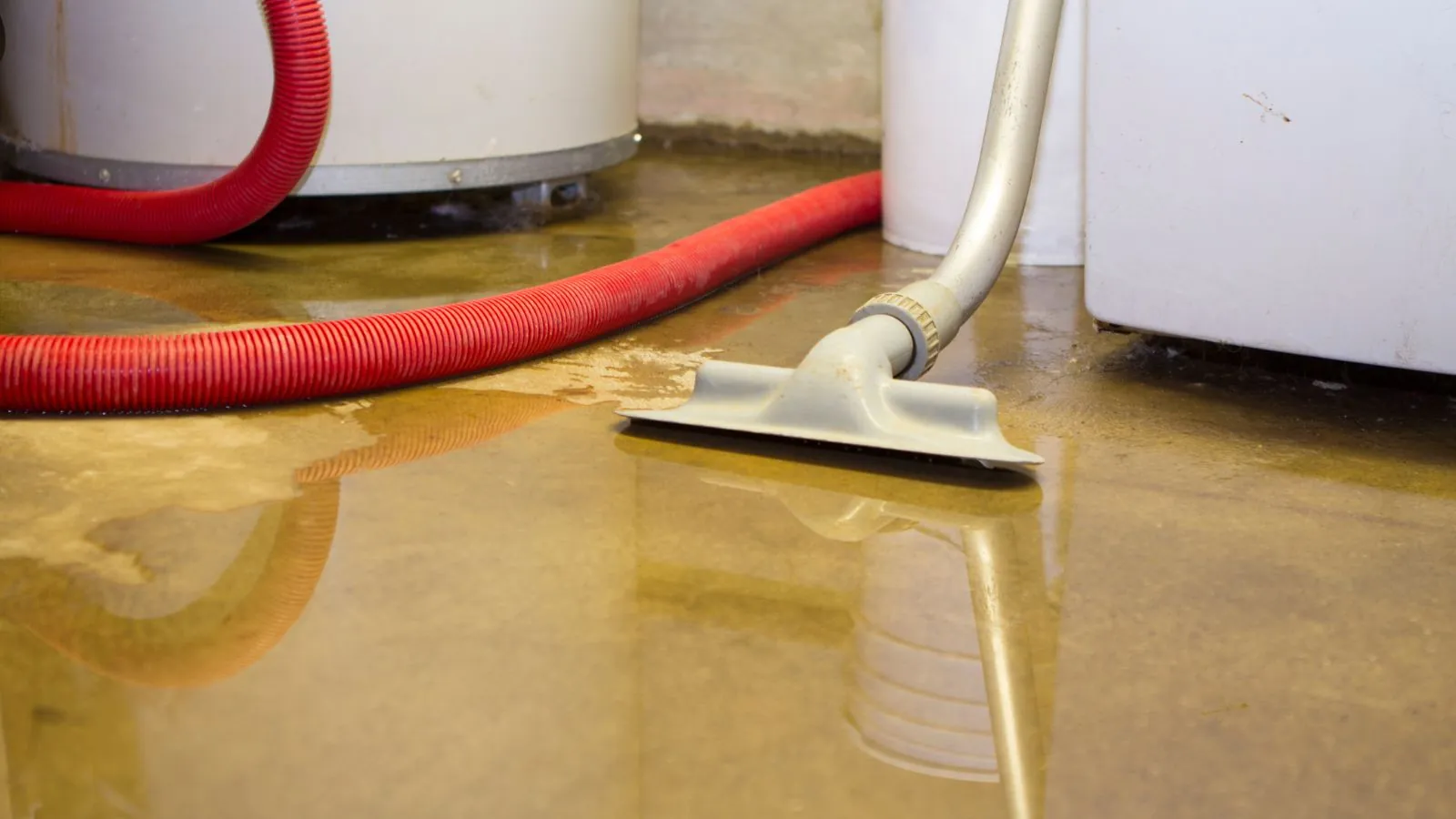
Why sewage backup is an emergency
Sewage is considered Category 3 water under ANSI/IICRC S500, which means it can carry harmful organisms and requires protective equipment and different disposal. In Round Lake, IL a backup can come through a floor drain, a toilet or a laundry standpipe, and the dispatch line is answered 24/7.
Stop using water in the house, including toilets, sinks, the dishwasher and the washing machine. Keep people and pets out of the affected room. Do not walk through it barefoot or try to clean it with a household vacuum. If water is near electrical equipment, call the utility or 911 first.
Whose problem is the blockage
The village maintains the water and sewer lines in the street, according to its resident guide, and the homeowner is responsible for the line from the house to the connection. If a backup affects several homes or the street, tell the Village. If it is only your house, a plumber clears the line. The restoration crew handles the cleanup, not the blockage.
Call the plumber and the restoration line together. The plumber clears the line so no more sewage arrives, and the crew removes what is already inside.
Do not clean it yourself
Sewage can carry bacteria and viruses. Skip household mops and shop vacuums, wear gloves and boots if you must enter and wash well afterward. Leave porous materials like carpet and drywall for the crew to assess.
| Material | Usual outcome | Why |
|---|---|---|
| Carpet and pad | Removed | Porous, holds contamination |
| Drywall below the water line | Removed | Wicks contamination upward |
| Tile and sealed concrete | Cleaned and disinfected | Non-porous surfaces |
| Solid wood framing | Cleaned and dried | Can be treated in place |
| Upholstered furniture | Usually discarded | Absorbs contamination |
Stop using water and call. The dispatcher will explain what to keep out of.
How cleanup and disinfection run
The crew sets up protection, removes standing sewage, takes out porous materials, cleans and disinfects surfaces and dries the structure. Contaminated materials are bagged and disposed of properly, and air movers are placed so air does not spread contamination.
Ask for the scope in writing before work starts. A moisture reading at the end shows the structure is dry, and the crew can explain what was removed and why for your insurer.
What changes the cost of sewage cleanup
The scope and price are explained before work starts.
Sewer or drain backup is typically an optional add-on to a homeowners policy, according to the Illinois Department of Insurance. Check whether yours includes it before you need it.
Gray water and black water
Not every drain problem is sewage. A washing machine overflow or a sink backup that contains only soap and food particles is usually gray water, which still needs care. Sewage from a toilet or a main line is black water, and anything that came from the sewer system is handled as Category 3 under the S500 standard.
The distinction changes protective gear, disposal and what is removed. If you are unsure, assume the worse category until the crew decides. A short description of where the water came from helps the dispatcher plan.
Odor and air
Sewage backups leave odor that lingers in porous materials. Removing contaminated materials, cleaning surfaces and drying thoroughly are the main steps. Air scrubbers with HEPA and carbon filtration can help reduce odor and airborne particles during and after cleanup.
Do not run the furnace or air conditioning if the return air is near the affected area, because the system can spread odor and particles. Close doors to the affected rooms and keep the area ventilated if it is safe.
Serving Round Lake and nearby
The same line covers Ingleside, Fox Lake, Antioch, Island Lake and Spring Grove. Heavy rain is a common trigger. Lake County's report on the July 2017 storm lists sewer backups among the damage, so a backup after a storm may involve the street line as well as your own. See the basement page for lower-level steps.
Sewage backup questions
Do you handle sewage backup emergencies at night or on weekends in Round Lake?
Yes. Sewage backups do not wait for business hours, and the line is answered 24/7. Stop using water and call.
Is sewage backup covered by homeowners insurance?
Often only with a sewer or drain backup endorsement. Ask your insurer.
Can I keep my carpet after sewage?
Usually not. Carpet and pad are removed.
Who clears the line?
A plumber. If the street line is the cause, contact the Village.
The line is answered around the clock. Describe what happened and what you can see.