
Sort first, clean second
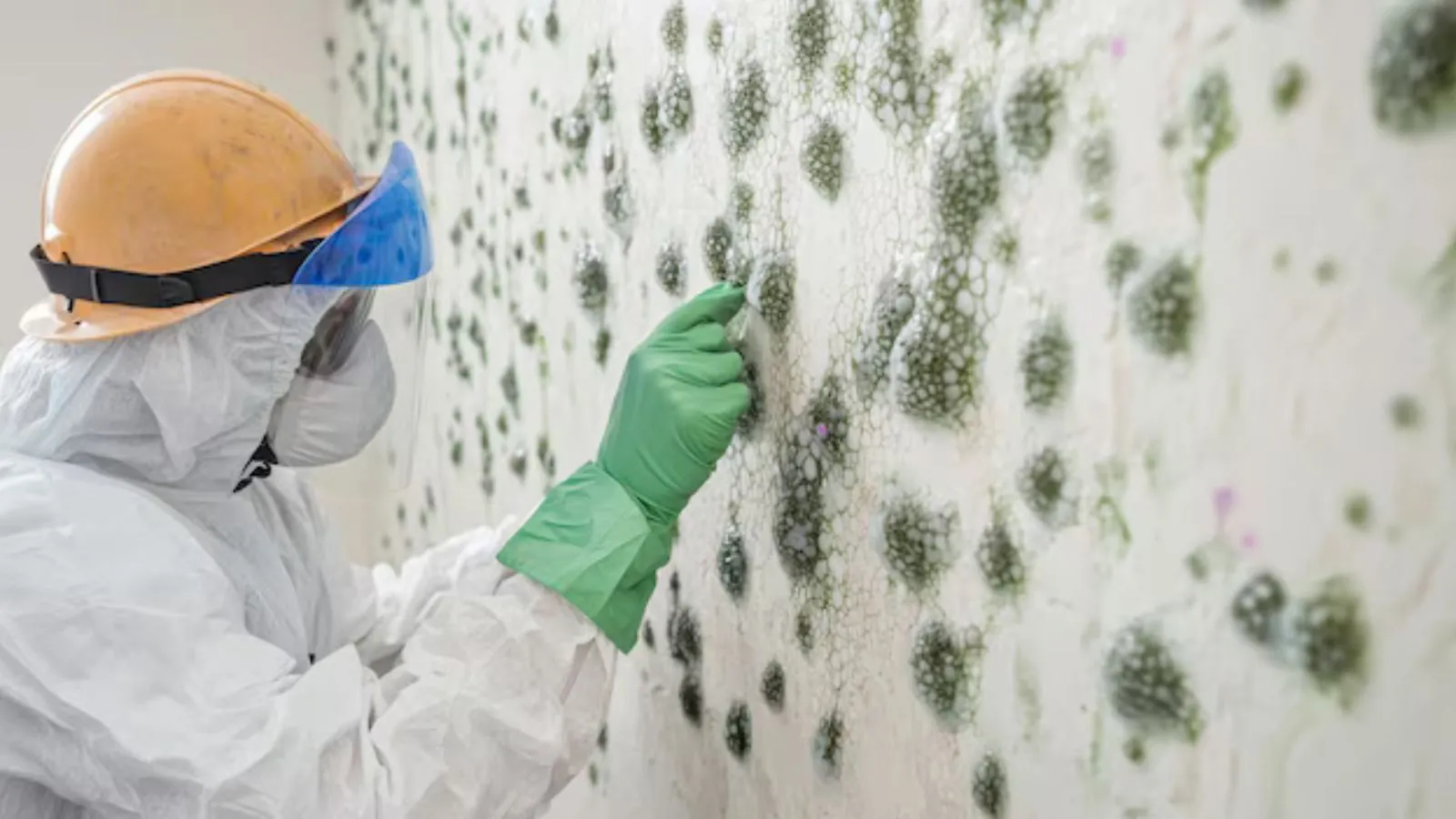
When a basement has mold, the first job is sorting. Move items out in groups, and separate what is clearly ruined from what might be saved. Porous items with visible growth, such as cardboard boxes, paper, upholstered furniture and mattresses, are usually discarded. Hard items such as plastic bins, metal tools and glass can often be cleaned.
Work in layers. Take out the items with growth in sealed bags, then clean the hard items outdoors if you can, then clean the room. That keeps spores from spreading to the rest of the house.
Flooring in a basement
Basement flooring is a mixed bag. Sealed concrete can be cleaned and dried. Carpet over a slab is difficult, because the underside and the pad hold moisture, and carpet with growth is usually removed. Laminate and vinyl plank trap moisture beneath them, and if the planks are lifted you may find growth on the underlayment.
A moisture meter shows whether the slab is still releasing moisture. If it is, new flooring will fail. The carpet page explains how wet carpet and pad are assessed.
| Item | Usual outcome | Notes |
|---|---|---|
| Cardboard boxes and paper | Discard | Paper can sometimes be dried and copied |
| Upholstered furniture | Often discard | Soft materials hold growth |
| Plastic bins and metal tools | Clean and dry | Wipe with detergent |
| Wood furniture | Clean and dry | Check finishes and joints |
| Carpet and pad | Usually remove | Check the slab after |
Control the air
Spores and moisture are both in the air. Run a dehumidifier sized for the space, and set it to hold humidity in the range the EPA suggests, between 30 and 50 percent. Empty it often or connect a drain hose. Keep windows closed while the dehumidifier runs, and run air movers across surfaces after cleaning.
HEPA air filtration can help capture particles during cleaning. A hygrometer costs little and tells you whether the room is staying dry. If readings climb again, a moisture source is still active.
Protect yourself and the house
Wear a properly fitted respirator, gloves and eye protection when cleaning. Seal the stairway door and tape plastic over vents if the work will disturb a lot of material. Do not run the furnace fan while you work if the return air is in the basement, because it spreads particles.
This article does not make health claims about mold. If anyone in the household has concerns about their health around mold, they should talk with their doctor. For heavy growth or large areas, hire a registered remediator, and see mold remediation for how that process works.
Dry the room, then decide on finishing
Once the surfaces are clean and dry, confirm with readings before you finish or rebuild. Closing up a damp wall brings the problem back. If a wet event caused the growth, drying with air movers and dehumidifiers comes first, and structural drying explains how that is done.
When the room tests dry, choose finishes that tolerate moisture, such as sealed concrete, tile or moisture-resistant boards. Keep furniture off exterior walls so air can move.
Furniture, clothing and soft goods
Soft goods are the hard case. Clothing and linens that smell musty can often be washed in hot water, and dry-clean-only items can go to a cleaner who knows what you are dealing with. Upholstered furniture with visible growth is usually discarded, because the growth is in the padding.
Wood furniture can often be wiped, dried in the open air and checked for finish damage. Keep a list and photos of anything you discard, as it may be part of an insurance claim if water caused the problem.
Keeping the basement dry afterward
Once the basement is clean, keep it that way. Run a dehumidifier, keep it set to the humidity range the EPA suggests, and check it often for a full bucket. Keep stored items on shelves instead of the floor and leave space between boxes and exterior walls so air can move.
Check for plumbing drips, a damp sump pit and condensation on cold pipes. A small hygrometer on a shelf tells you when conditions are creeping upward, long before anything looks wrong.
Cleaning tools and what to avoid
Use a stiff brush, detergent, clean water and disposable rags, and keep a bucket for rinse water. Avoid fogging products and sprays that promise to stop growth without cleaning, because they leave the material in place. Paint with mold-resistant additives is not a substitute for drying.
Dispose of rags and brushes that touched growth, or wash the brushes in hot water. Wash your clothes separately, and keep the cleaning area closed until it has been wiped and dried.
When the smell is the only sign
A basement that smells damp with no visible growth still tells you something. Moisture is present, and growth may be starting where you cannot see it. Check behind stored boxes, under stairs, along the bottom of walls and around the water heater and sump pit.
Start with the cheap steps: run a dehumidifier, move items away from walls and check humidity with a small hygrometer. If the smell persists after a week of dry readings, call for an assessment.
Published references on mold cleanup
The ANSI/IICRC S520 Standard for Professional Mold Remediation is a published reference for how professionals contain and remove growth. It is cited here for background, not as a credential held by this site. The EPA also publishes a plain guide to moisture and mold in homes, which is a good place to start before deciding between cleaning and a professional assessment.
The ANSI/IICRC S500 Standard for Professional Water Damage Restoration is a published industry reference. It is cited here for background and is not a credential held by this site.
What this means in Round Lake
Round Lake gets its water from the Central Lake County Joint Action Water Agency, and the Village's resident guide notes it usually flushes hydrants in spring. Flushing is a utility activity, not a basement problem, but spring is also when snowmelt and rain fill sump pits, so it is a good time to check the pump and the dehumidifier together.
If a damp basement keeps returning after cleaning, the source is still active. Homes in Island Lake and Fox Lake that sit on lower ground often need a drainage fix as well as drying.
Source type: Village of Round Lake resident guide and EPA humidity guidance
Questions from Round Lake homeowners
Can I keep cardboard boxes that had mold?
Usually not. Cardboard is porous, and growth is inside it. Discard it, and photograph valuable contents first.
What humidity should a basement hold?
The EPA suggests keeping indoor humidity between 30 and 50 percent where possible.
Should I paint over cleaned walls?
Only when readings show they are dry. Painting over damp walls brings the problem back.
The line is answered around the clock. Describe what happened and what you can see.