
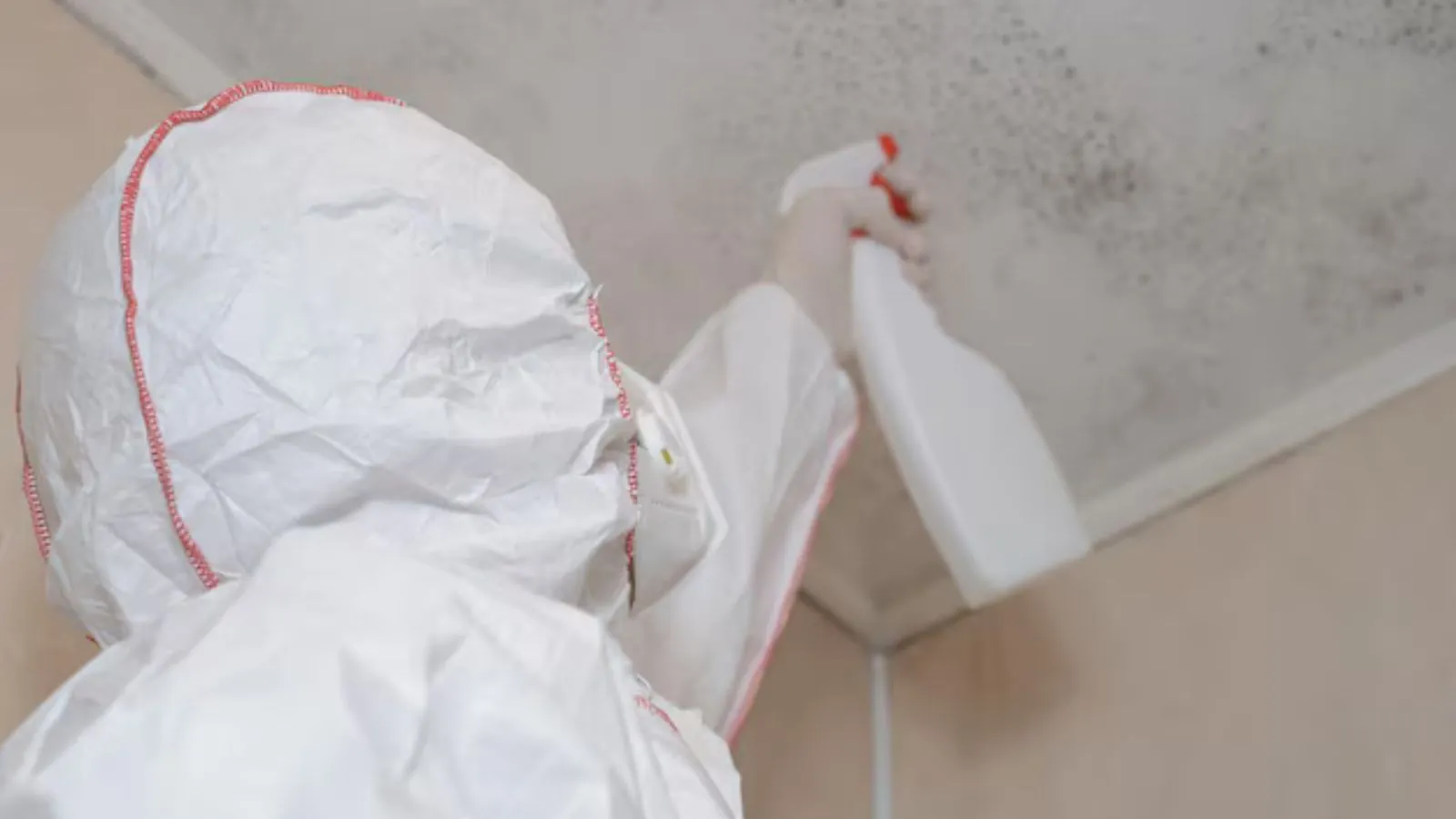
Start with the moisture
Mold grows where materials stay damp. If you scrub a basement wall and the moisture source remains, growth returns. The EPA's guidance on mold after water damage says mold can begin to grow on wet materials within one to two days, and that the key to control is moisture. So the first step is to find why the wall is wet.
Common causes are a leaking pipe, condensation on cold walls, water coming through the foundation after rain and a stopped sump. Fix the cause, or at least identify it, before you clean.
What can be cleaned and what cannot
The surface matters. Hard, non-porous or semi-porous surfaces such as sealed concrete, painted block, metal and glass can usually be cleaned. Porous materials such as drywall, ceiling tile, insulation and carpet that have visible growth are generally removed and replaced, because the growth is inside them.
Unfinished concrete block can often be cleaned with a stiff brush and detergent solution, then dried. Painted drywall with growth is usually cut out. Wood framing with surface growth is often cleaned and dried, and checked for rot.
| Material | Usual approach | Notes |
|---|---|---|
| Sealed concrete or painted block | Clean and dry | Fix the moisture source first |
| Bare concrete block | Brush, detergent, dry | May re-stain if still damp |
| Painted drywall with growth | Cut out and replace | Check the cavity behind it |
| Insulation with growth | Remove and bag | Do not reuse |
| Wood framing | Clean and dry, check for rot | Moisture reading first |
Cleaning a small area
For a small area on a hard surface, wear a respirator rated for fine particles, gloves and eye protection. Open a window or run a fan to the outside if possible. Wipe or scrub with detergent and water, then dry the surface fully. Bag rags and debris and keep the area closed to other rooms while you work.
Do not mix cleaning products, because some combinations release hazardous gases. Bleach does not penetrate porous materials, and it adds moisture. A dehumidifier afterward helps keep the wall dry.
When to stop and call
Call for help if the affected area is large, if drywall or insulation is involved, if the growth keeps coming back or if the water came from sewage or flood water. A professional assessment includes moisture readings and a plan for containment, removal and drying. See mold remediation for how that is organized.
If you hire a remediator, ask about registration. Illinois has a registration rule for mold remediators, which the mold remediation page explains in full. Assessment-only professionals are exempt.
Keep it from coming back
Keep indoor humidity under control. The EPA suggests keeping it between 30 and 50 percent where possible. Use a dehumidifier in the basement, fix gutters and downspouts so they carry water away, and check the sump pump before the wet season. Keep stored items off the floor and away from exterior walls.
If water has been in the basement, drying matters more than cleaning. The basement water damage page covers the water side of the problem.
Tools and protective gear
For a small cleaning job on a hard surface, the basics are a respirator rated for fine particles, gloves, eye protection, a stiff brush, detergent, clean rags, plastic bags and a fan or dehumidifier for drying. Wear clothes you can wash right away or discard, and keep shoes at the door.
Avoid dry brushing or sweeping, which puts particles into the air. Damp wiping and a vacuum with a HEPA filter are better. Do not use a standard household vacuum, because it can exhaust fine particles back into the room.
Why growth returns
Growth returns when moisture returns. A wall that is cleaned but keeps absorbing humidity from cold concrete, a leak or a window well will bring the stains back, often within weeks. Condensation on cold surfaces is a common cause, and insulating pipes and running a dehumidifier help.
If cleaning has to be repeated more than once, stop and look for the source. A moisture reading on the wall, the floor and the base plate usually points to it. At that point a professional assessment is worth the cost.
What to do with a basement that smells but shows nothing
Sometimes a basement smells musty and nothing is visible. The odor can come from growth behind a wall, under flooring or in a stored item. A moisture meter and a thermal camera help find damp areas, and a slow walk with a flashlight along the bottom of walls and behind furniture often turns up the source.
If you find a damp area, dry it and fix the cause. If you find none and the smell persists, an independent assessor can inspect and advise whether testing makes sense. Skip air fresheners, which cover the signal without addressing the cause.
What this means in Round Lake
Basements in northern Lake County deal with water from several directions, and the July 2017 storm showed how quickly a wet season can overwhelm drains. The county's report recorded sewer backups among the damage. A damp basement after a storm that is not dried within a couple of days is the setup for the growth this article describes.
If the wall is wet from a failed sump or groundwater, the same steps apply in Spring Grove and Antioch. Ask the Village of Round Lake Building Department whether repairs need a permit before walls are rebuilt.
Source type: Lake County hazard mitigation plan, EPA mold guidance and IDPH
Questions from Round Lake homeowners
Will bleach kill mold on basement walls?
Bleach does not fix the moisture source and does not penetrate porous materials. Detergent cleaning and drying works on hard surfaces, and porous materials with growth are removed.
Do I need a test before cleaning?
Not always. Visible growth and a moisture source usually tell the story. An assessor can advise whether sampling adds anything.
Does Illinois regulate mold remediators?
Yes. The Mold Remediation Registration Act requires remediators to register with IDPH.
The line is answered around the clock. Describe what happened and what you can see.