
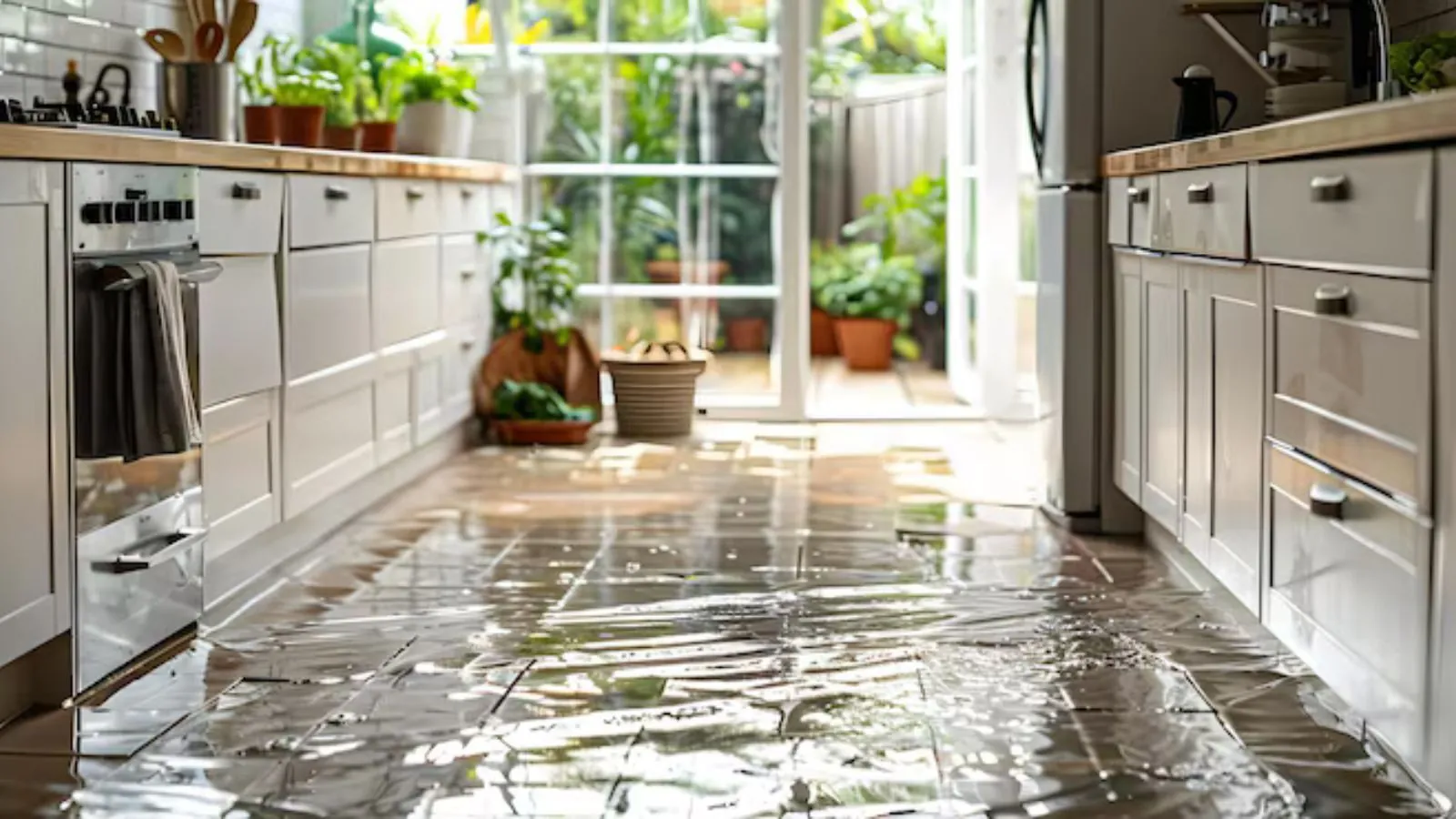
What a jump can mean
A sudden rise in a water bill usually has one of a few causes: a hidden leak, a running toilet, a dripping fixture, irrigation use or a change in the household. If none of the last two fit, a leak is the likeliest explanation, and leaks often sit inside walls, under slabs or in underground lines where you cannot see them.
Check the bill first. Compare the usage figure with the last several months, and look at whether the billing period was longer. Some bills include estimated reads, which can swing between periods.
A simple leak check
Do this with no one using water.
- Find the meterIt is usually in a pit near the curb or in the basement where the line enters.
- Read itWrite down the numbers, including any small dial or leak indicator.
- WaitLeave everything off for an hour or two.
- Read againIf the numbers moved, water is going somewhere.
- Narrow it downClose the main valve at the house. If the meter stops, the leak is inside. If it keeps moving, the leak may be in the line from the meter to the house.
The usual suspects
Toilets are the most common source. A worn flapper lets water seep into the bowl all day. To test, put a few drops of food coloring in the tank, wait fifteen minutes without flushing and see if color shows in the bowl. Dripping faucets, a stuck irrigation valve and a leaking water heater relief valve are next.
If the inside is clear, check outdoors. A hose bib, an underground sprinkler line or the service line can leak. Wet ground, a soft patch of lawn or a sound of running water at night are clues.
| Test result | Likely meaning | Next step |
|---|---|---|
| Meter moves, main valve closed stops it | Leak inside the house | Check toilets, fixtures, then call a plumber |
| Meter moves, main valve closed does not stop it | Leak between meter and house | Plumber and the utility |
| Dye shows in toilet bowl | Toilet flapper leak | Replace the flapper |
| Warm spot in a floor | Hot water line leak | Plumber, moisture assessment |
If you find water damage
A hidden leak may have already wet walls or floors. A moisture reading finds it. Signs include a musty smell, a soft floor, a stain or paint bubbling. If the leak is in a slab, see slab leak water damage. If the leak is in a wall, see wall and drywall repair.
Ask your utility about leak adjustments. Some utilities offer billing adjustments for verified leaks, and policies vary. Keep the plumber's report, because it is often the proof they ask for.
Irrigation, filling pools and other explanations
Not every bump means a leak. Filling a pool, running sprinklers more often, a houseguest staying for weeks or a new appliance can all raise usage. Look at the calendar and ask what changed. If the extra use lines up with a known change, you may not have a leak at all.
If you have a sprinkler system, check the controller and the zones. A valve that sticks open can run for hours, and it will not show up inside the house.
Talking with the utility
Call the utility named on your bill and ask for a meter reading history and whether the meter was recently replaced or read manually. Ask whether they will check the meter for accuracy. Some utilities offer a leak adjustment on a bill if you can show the leak was repaired, so ask what documentation they accept.
Keep the plumber's invoice and the dates. If the bill is large, ask about payment plans while the issue is reviewed.
Reading the bill itself
Water bills show usage in units such as gallons or cubic feet, and sometimes the units change between bills. Check the unit on the current and the earlier bill, because a switch can look like a spike. Look at the dates of the reads, the number of days in the period and whether a read is marked as estimated.
Divide usage by the number of days to get a daily average, and compare that with earlier periods. A daily average that doubled with no change in household habits is worth chasing, and one that rose by a small amount is often seasonal.
Hot water, boilers and hidden fixtures
Not all leaks are on the cold side. A hot water line can leak into a wall or under a slab and show up as a bill increase and a warm spot on a floor. A water heater relief valve that drips, an automatic fill valve on a boiler and a water softener that never stops regenerating are other sources people forget.
If your home has any of these, check them. The sound of running water near a utility closet at night is a clue, and so is a pipe that feels warm when nothing is in use.
When to bring in a plumber
If the meter test shows movement and the toilet and fixtures are clear, a plumber can find the leak with listening equipment or pressure tests. Bring the readings you took and the dates of the bills. That saves diagnostic time and gives the plumber a starting point.
If water damage has already appeared, call the 24/7 line so drying can start while the plumber works on the pipe. Moisture readings show how far the damage went, and they are useful for any bill adjustment request as well.
A published reference once a leak is found
Finding a leak is the plumber's job, and drying what it wet is a separate job. If a hidden leak has already soaked a wall or floor, the process follows the principles in the published ANSI/IICRC S500 reference, which uses moisture readings to show when a structure is dry. It is cited here for background and is not a credential held by this site.
The ANSI/IICRC S500 Standard for Professional Water Damage Restoration is a published industry reference. It is cited here for background and is not a credential held by this site.
What to do before you call a plumber
These steps are general safety practice and apply before anyone arrives.
- Turn off all fixtures and check the meter for movement.
- Close the main valve if the meter keeps moving and water is visible.
- Check toilets, outdoor spigots and the water heater for drips.
- Take a photo of the meter and the bill dates.
- If any wall or floor feels damp, call the 24/7 line so drying can start.
What this means in Round Lake
The Village of Round Lake's resident guide says the Village maintains the water and sewer lines in the street. Water comes from the Central Lake County Joint Action Water Agency. If your meter keeps running after you close the main valve at the house, the leak may be on the line between the meter and the house, which is generally the owner's responsibility, so call a plumber and tell the Village.
The same method works for homes in Ingleside and Island Lake, though the utility that bills you may differ. Check your bill for the name.
Source type: Village of Round Lake resident guide
Questions from Round Lake homeowners
How long can a leak run before damage shows?
It can be weeks or months. A moisture reading finds damage before it shows.
Is a running toilet that expensive?
It can add noticeably to a bill over a month. It is also the easiest to fix.
Who is responsible for the line from the meter to the house?
Generally the owner. Ask your Village or utility to confirm for your address.
The line is answered around the clock. Describe what happened and what you can see.