
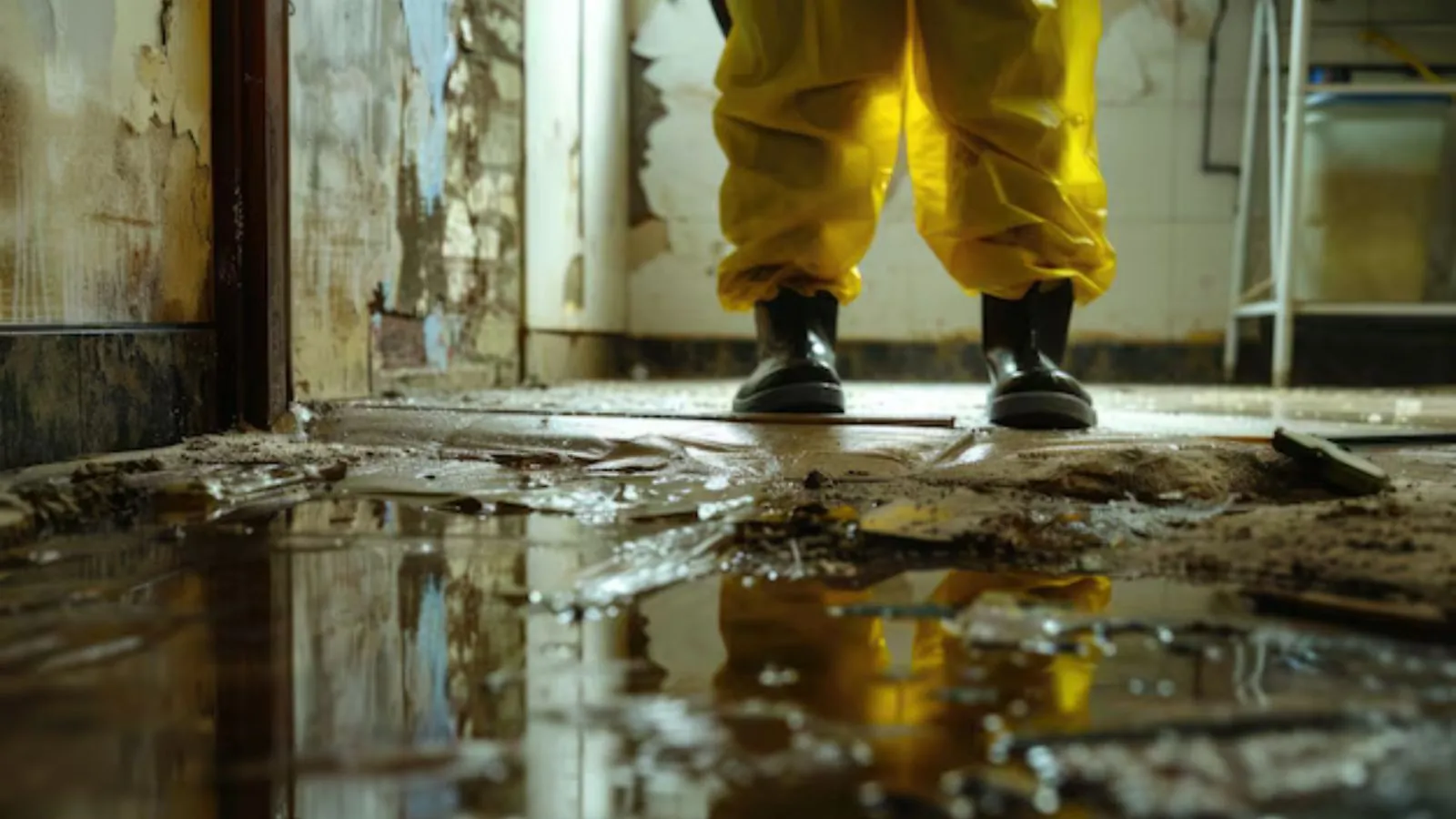
Stop the harm and tell the landlord
If water is coming into your unit, the first step is safety. Keep clear of wet electrical equipment, and if you can, close the shut-off valve to the fixture or appliance. If the source is a building system, such as a ceiling leak from the unit above, you may not be able to stop it, so report it right away.
Notify your landlord or property manager in writing, such as by email or a text with photos, and keep a copy. Phone calls are fine for urgency, but follow up in writing so there is a record of the date and what you said.
Document before you move anything
Take photos and video of the damage, the source if visible and your belongings. Note the date and time. Keep damaged items until the landlord's insurer or yours has seen them, if you can, and keep receipts for anything you spend on emergency needs.
A written list of damaged belongings, with the age and rough value of each, helps if you file a renters insurance claim.
| Item | Usually handled by | Note |
|---|---|---|
| Building structure, ceilings, walls | Landlord | Their insurance may cover it |
| Plumbing and building systems | Landlord | Report in writing |
| Your belongings | You, or your renters policy | Landlord insurance does not usually cover them |
| Temporary housing | Depends on the lease and policy | Check both |
| Drying and cleanup | Landlord arranges, tenant cooperates | Ask about timing |
Renters insurance
A renters policy usually covers your belongings, and often additional living expenses if the unit becomes unlivable, subject to the policy. It generally does not cover the building. Like homeowners policies, it often covers sudden and accidental water damage and often excludes flood. Ask your insurer about sewer backup coverage.
File a claim promptly, keep receipts and keep damaged items until the adjuster has seen them, as the Illinois Department of Insurance advises for claims generally.
Your landlord's role and your rights
A landlord generally must keep the unit in livable condition, and a leak that makes it unsafe or unusable raises questions about repairs, rent and relocation. The rules depend on your lease and on state and local law, and this article does not give legal advice. A tenant rights organization or legal aid office can explain your situation.
Ask your landlord how drying and repairs will happen and when. A crew handling a rental will want access to the unit and the building. The structural drying page explains what the work involves.
Mold and moving out
If mold appears, tell the landlord in writing and keep photos. Do not attempt a large cleanup yourself. The mold remediation page describes how larger jobs are handled.
If the unit cannot be repaired quickly, ask what the landlord offers. Keep all communications and receipts, because they matter for deposits and claims later.
Written notice and a paper trail
In a dispute, the person with the better record usually fares better. Keep copies of the lease, your messages to the landlord, photos with dates and any replies. If the landlord does not respond, send a second message and keep proof of it. A certified letter can help in a serious case.
Do not withhold rent or make repairs and deduct the cost without understanding your rights. The rules depend on the lease and on state and local law, and a legal aid organization or tenant rights group can explain them.
What to expect from drying and repairs
Drying equipment in a rental is loud and warm, and it runs for days. The crew needs access to the unit and may need to move furniture or remove baseboards. Ask when they will arrive and what to expect, and tell them about pets, children and health concerns.
If you cannot live in the unit during the work, ask the landlord and your insurer about options. Keep a list of what you spend and how long you are away.
Moving belongings and protecting them
If the unit is wet, protect your belongings first. Lift what you can onto dry surfaces, and take photos before and after you move things. Keep electronics, papers and medications dry. If the unit will be torn open for drying, ask whether the crew or the landlord expects you to move furniture, and who is responsible if something is damaged.
Take a few minutes to list what is in the affected rooms. A simple spreadsheet with item, age and approximate value is enough for a renters insurance claim.
Talking with the property manager
Property managers handle many units, and a clear, short message gets action. Give the unit number, the date and time you noticed the water, where it came from and what is wet. Attach photos and say whether you have shut off anything. Ask when someone can come and what you should do in the meantime.
If the problem is a leak from another unit, say which one if you know. Stay polite and factual. A good record of calm, specific messages helps if the situation drags on.
If you have to move out for a while
If the unit cannot be lived in during repairs, ask the landlord in writing what they offer, such as a temporary unit or a rent adjustment. Check your lease and your renters policy for additional living expense coverage, and ask the insurer what they need as proof.
Keep a log of your extra costs, such as hotel nights or meals, and keep the receipts. Take photos of the unit when you leave and when you return so the condition is on record.
A published reference for what the crew should measure
Tenants and landlords often disagree about whether a unit is dry. The ANSI/IICRC S500 reference is the published industry standard that uses moisture readings to answer that question, and asking for the final readings gives both sides a shared record. It is cited here for background and is not a credential held by this site.
The ANSI/IICRC S500 Standard for Professional Water Damage Restoration is a published industry reference. It is cited here for background and is not a credential held by this site.
What this means in Round Lake
Round Lake has both single-family rentals and apartment communities. The county district map labels several apartment complexes inside the village, including Coventry Glen Apartments, Rosewood Apartments and Cambridge Courts. In an apartment building, a leak often starts in a neighboring unit, so tell the property manager which units are involved.
Tenants in nearby Antioch and Fox Lake follow the same steps, and the lease usually names the right contact for emergencies.
Source type: Lake County district map of the Village of Round Lake
Questions from Round Lake homeowners
Who pays for drying in a rental?
Usually the landlord arranges it for the building. Your belongings are yours to claim.
Does renters insurance cover the building?
Generally not. It covers your belongings and sometimes living expenses.
Should I call a restoration company myself?
Tell the landlord first, since they control the building. In an emergency, the 24/7 line can advise.
The line is answered around the clock. Describe what happened and what you can see.