
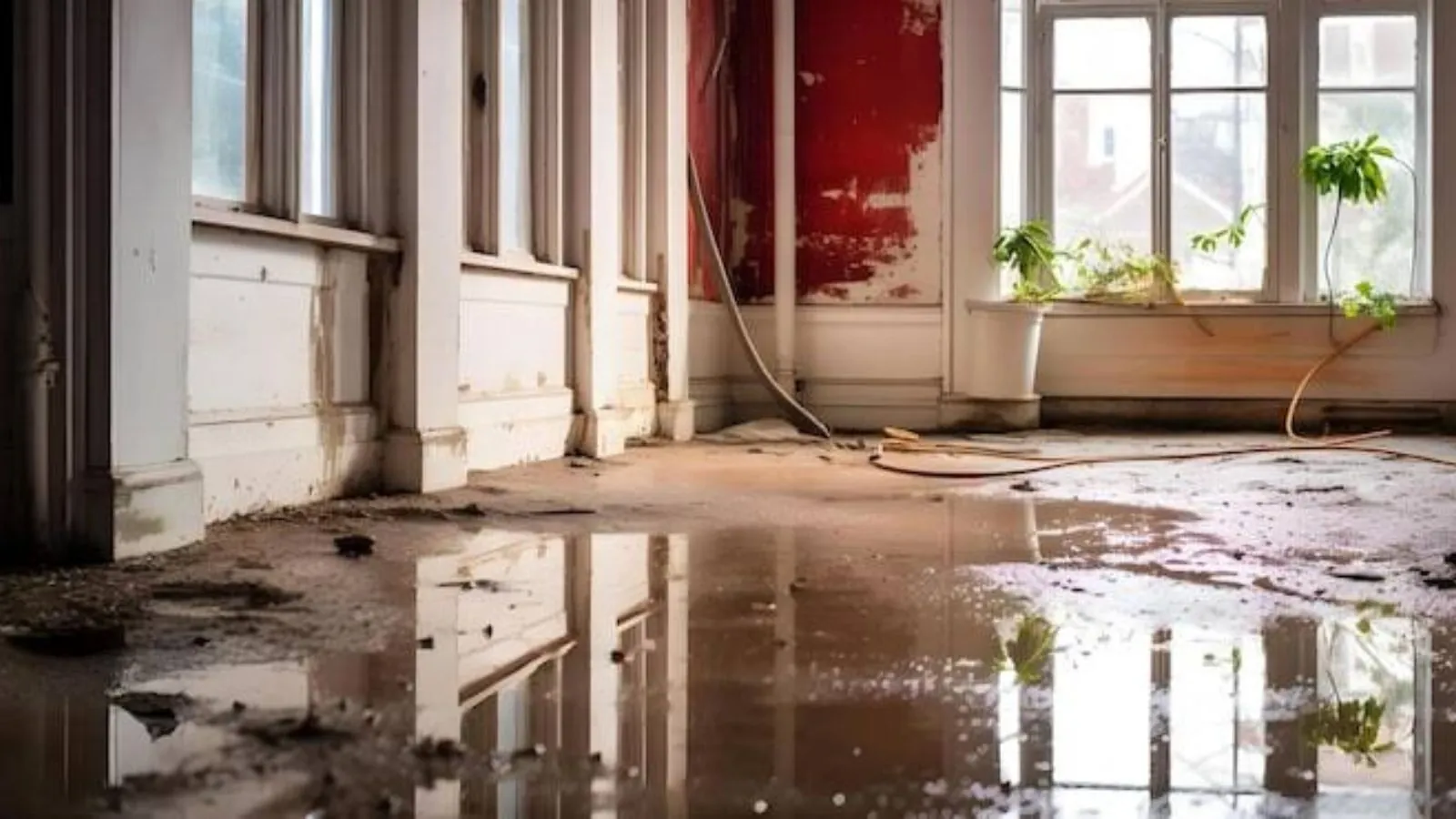
Start with safety and the water source
The first step is not the claim. It is stopping the source if you can do it safely, and keeping people away from wet electrical equipment. Close the main valve, switch off breakers only from a dry panel and stay out of rooms with sagging ceilings. If the water is sewage or flood water, keep children and pets out.
Once things are stable, call your insurer. The Illinois Department of Insurance advises contacting the insurer promptly and taking reasonable steps to prevent further damage, which is where emergency extraction and drying fit.
A claim in order
These steps follow Illinois Department of Insurance claim guidance and common restoration practice.
- Notify the insurerCall or use the claim line and ask what documents they need and who the adjuster will be.
- Document everythingTake wide and close photos and video of the water, the source and every damaged item before moving it.
- Mitigate further damageStop the source, remove standing water and start drying. Keep every receipt.
- Keep possible total lossesDo not discard damaged belongings or materials until the adjuster has seen them.
- Get a written scopeAsk the restoration crew for a scope that lists extraction, drying and repairs separately.
- Agree on repairsGet the adjuster's agreement on the scope before you hire contractors for repairs.
What good documentation looks like
Adjusters decide on evidence. A set of dated photos showing the source, the waterline on walls and the flooring is worth more than a long description. Video with a narration of what you see is even better, and a simple list of damaged contents with the age and approximate value of each item saves time later.
Restoration records add another layer. Moisture readings by room, a log of equipment placed and removed and a before and after note on what was removed help show the scope was reasonable. Ask the crew to share them.
| Document | Why it helps | Who has it |
|---|---|---|
| Policy declarations page | Shows limits and deductibles | You or your agent |
| Photos and video | Show the damage before cleanup | You |
| Moisture and equipment logs | Show the scope and drying time | Restoration crew |
| Receipts for emergency costs | Support mitigation expenses | You |
| Contents list | Supports belongings coverage | You |
Common mistakes that slow a claim
The most common mistake is throwing things away too early. A soaked recliner or a stack of ruined boxes looks like trash, but it is the adjuster's evidence. The second is hiring repair contractors before the scope is agreed, which can lead to disputes about price and extent. The third is waiting to report, because delays can raise questions about whether the damage grew.
If you disagree with an adjuster's scope, ask for the reasons in writing and provide your own documentation. The Illinois Department of Insurance accepts consumer complaints about insurers if a dispute cannot be resolved.
How restoration fits into a claim
The restoration crew does not decide coverage. Its job is to stop the damage from growing, document it and explain the scope. The water extraction and structural drying steps are usually the mitigation phase, and rebuild work follows once the structure is dry.
Ask for the scope and price to be explained before work starts, and ask which parts are mitigation and which are repairs. That split is how most adjusters read an invoice.
Talking with the adjuster
The adjuster's visit is the point where the claim becomes concrete. Walk the adjuster through each room, show the source, the waterline and the moisture readings, and hand over copies of your photos. Point out items that are not obvious, such as a wet wall cavity or a soaked subfloor, and ask what the adjuster plans to include in the scope.
Take notes during the visit. Write down the adjuster's name, the date and what was said about the scope and the timeline. If something is left out, ask politely why and whether it can be added, and follow up in writing.
Living expenses and temporary housing
If the damage makes the home unlivable, ask your insurer whether the policy includes additional living expenses. Many homeowners policies do, subject to limits, and they may cover the extra cost of a hotel or short-term rental while repairs are made. Keep receipts for meals, lodging and other costs above your normal spending.
Ask what documentation is required and whether there is a daily or total limit. The restoration crew can give you a realistic idea of how long the home will be unusable, which helps you plan.
Keeping a claim file
Keep one folder, paper or digital, with the policy, the claim number, the adjuster's contact details, photos, receipts, the restoration scope and moisture logs and every email or letter. A tidy file saves time if a question comes up weeks later, and it helps if you sell the home or file another claim.
Write down every call with the date, the person and the main points. If a dispute arises, a record made at the time carries more weight than memory.
What this means in Round Lake
Claims for Round Lake homes often involve a permit question too, because a policy may pay for repairs that the Village of Round Lake Building Department wants to review. Tell your adjuster early if plumbing, electrical or structural work is part of the scope, and ask whether permit fees are included in the estimate.
Homeowners in unincorporated Ingleside and in Antioch deal with other offices, so the paperwork trail can differ from one address to the next.
Source type: Village of Round Lake permit application and Illinois Department of Insurance claim guidance
Questions from Round Lake homeowners
Who should I call first, the insurer or a restoration company?
Do both quickly. Stop the source, call the insurer and call the 24/7 line so extraction and drying can start. Mitigation is usually expected.
Can I start repairs before the adjuster visits?
Emergency mitigation is expected. Permanent repairs should wait for the adjuster's agreement on the scope, according to Illinois Department of Insurance guidance.
What if my claim is denied?
Ask for the reasons in writing, review the policy wording and gather documentation. The Illinois Department of Insurance takes consumer complaints.
The line is answered around the clock. Describe what happened and what you can see.